
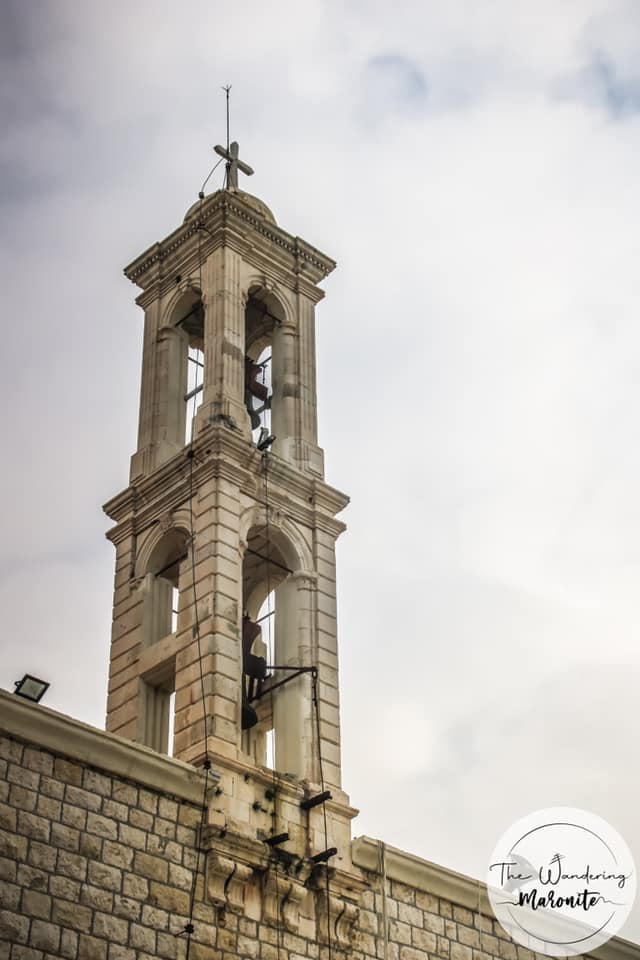
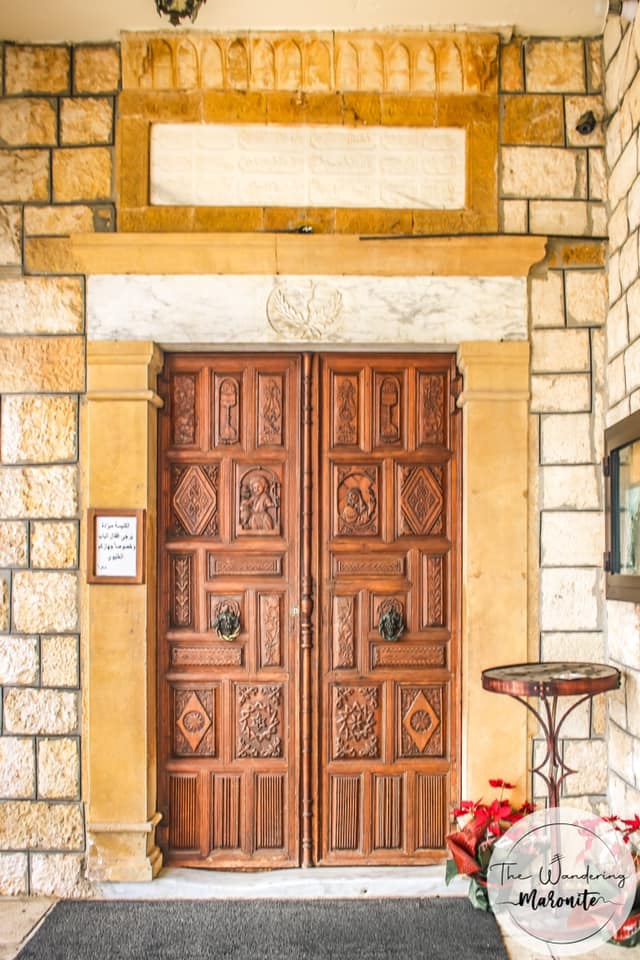
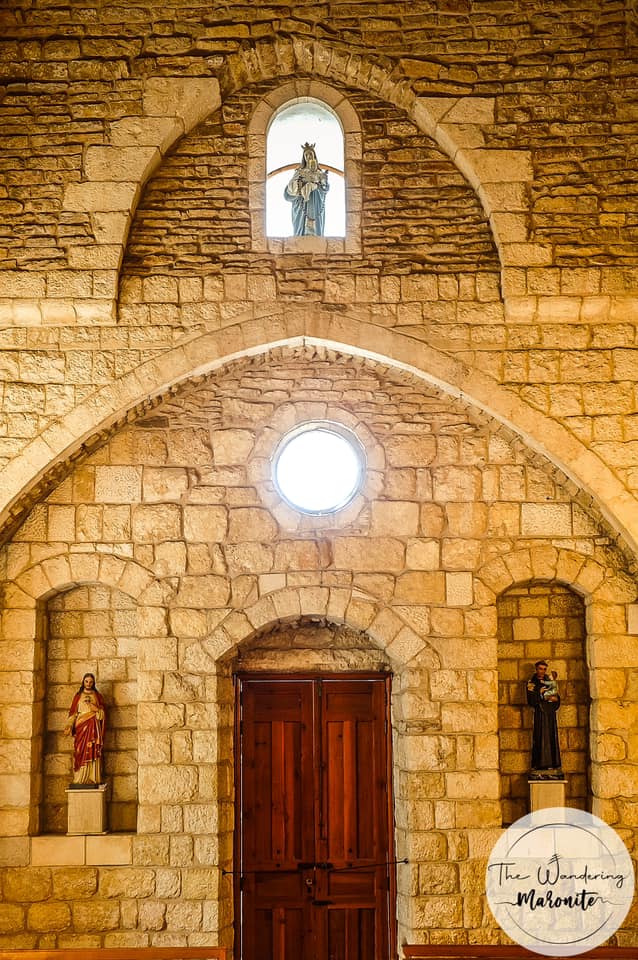
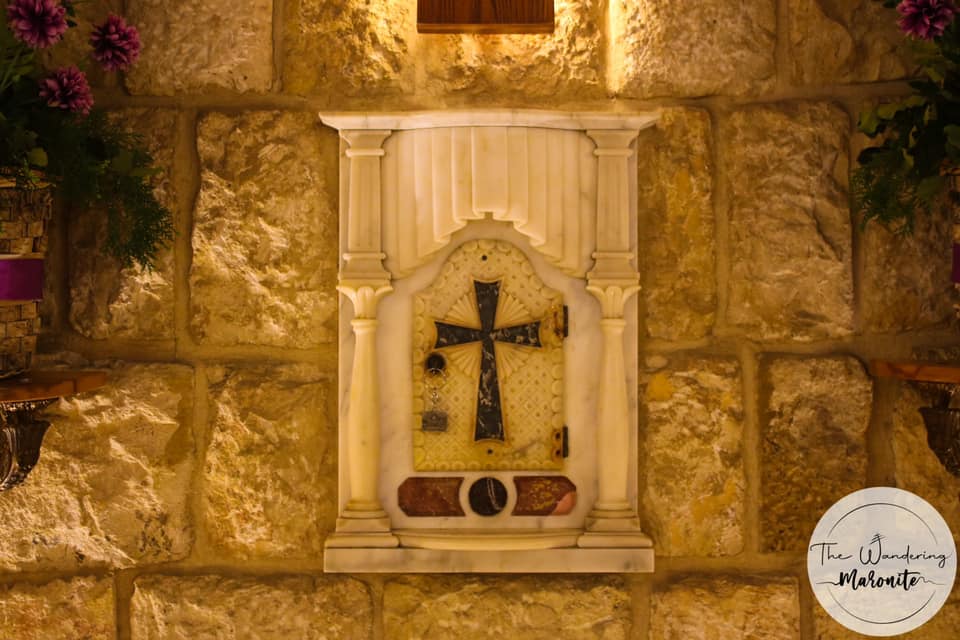
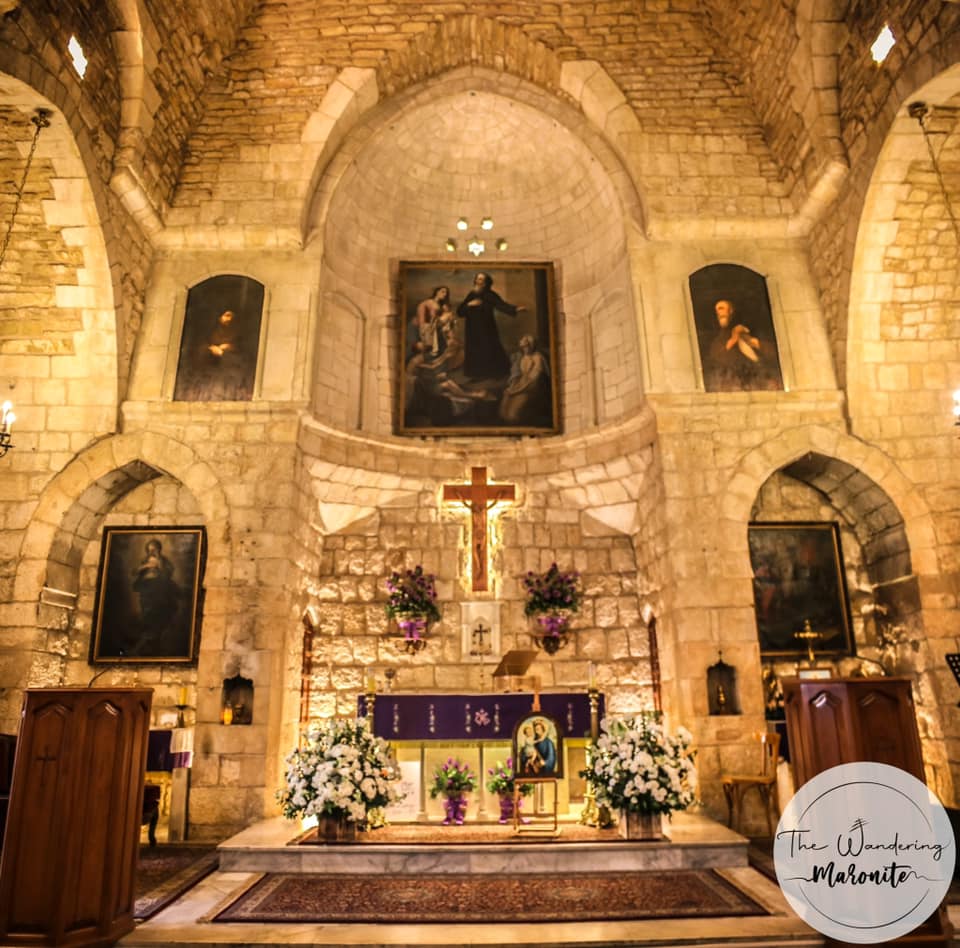
Zouk Mikael – The church of St Doumit

Mar Doumit El Athaya - Church, Zouq Mkayel, Lebanon

Other Details

كنيسة مار ضومط - زوق مكايل

Zouk Mkayel

Keserwan

Mount Lebanon

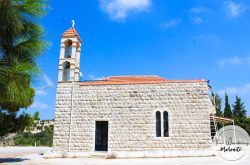
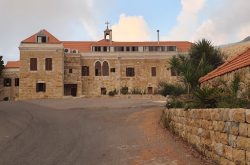
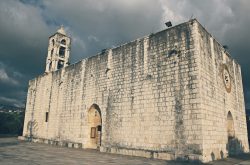
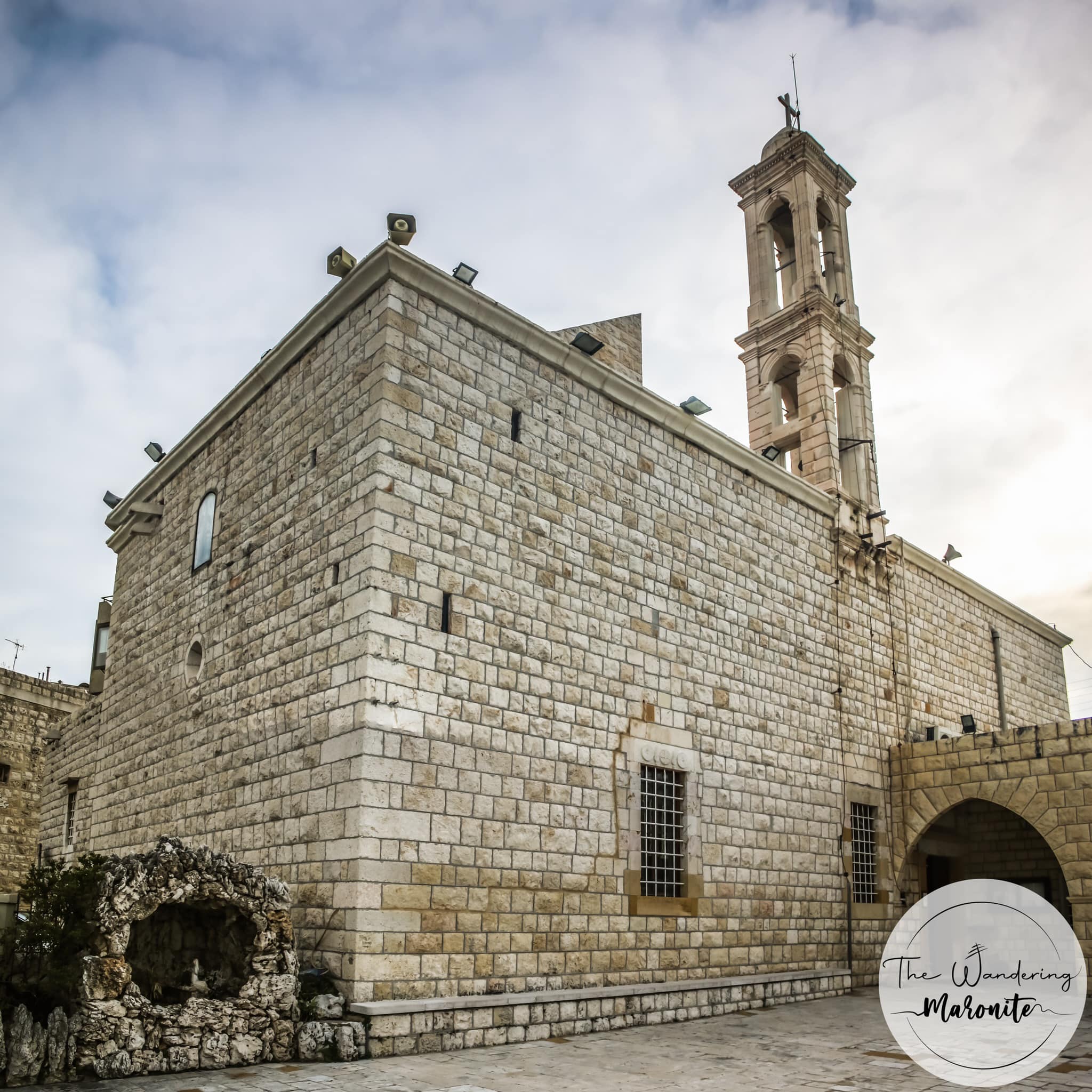
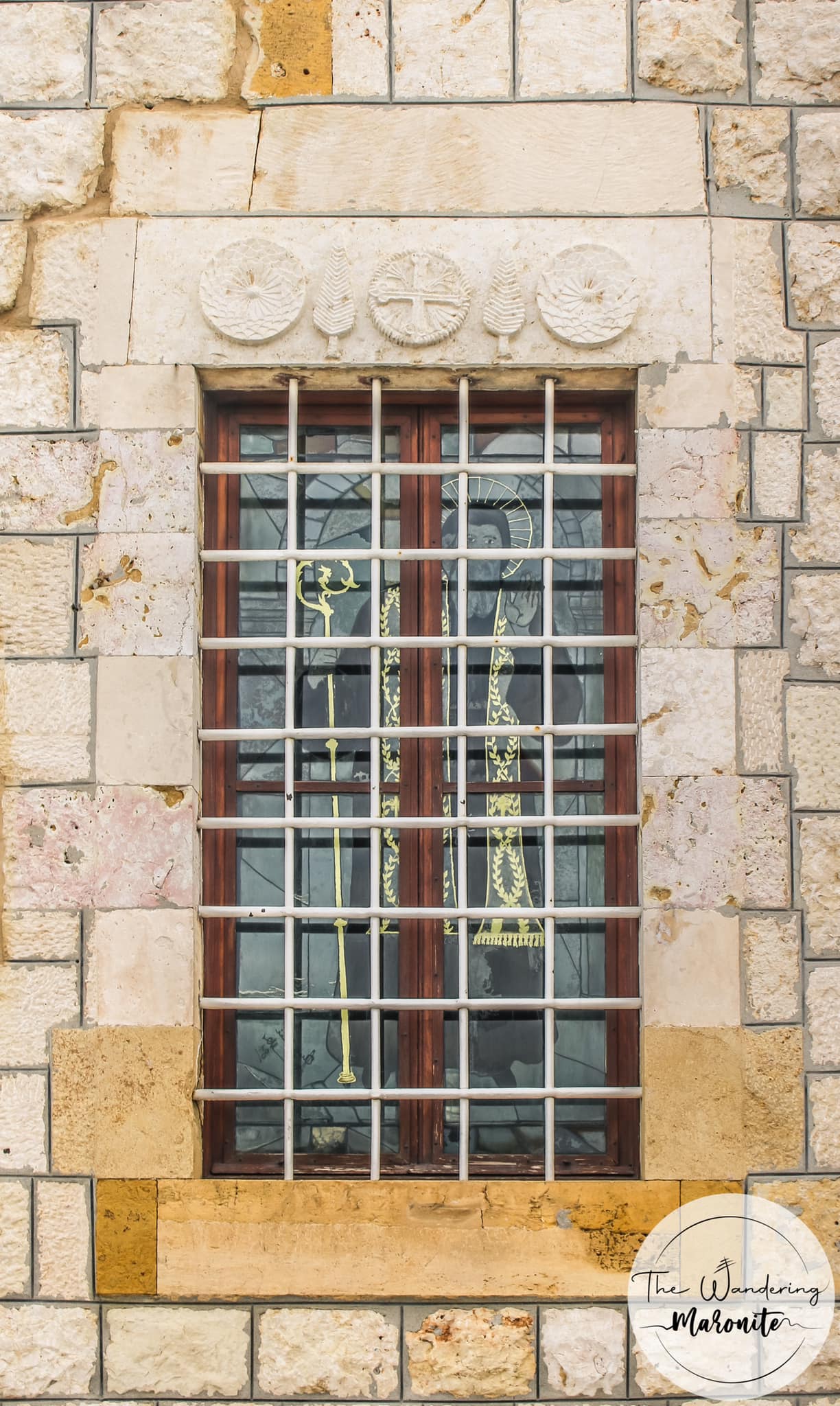
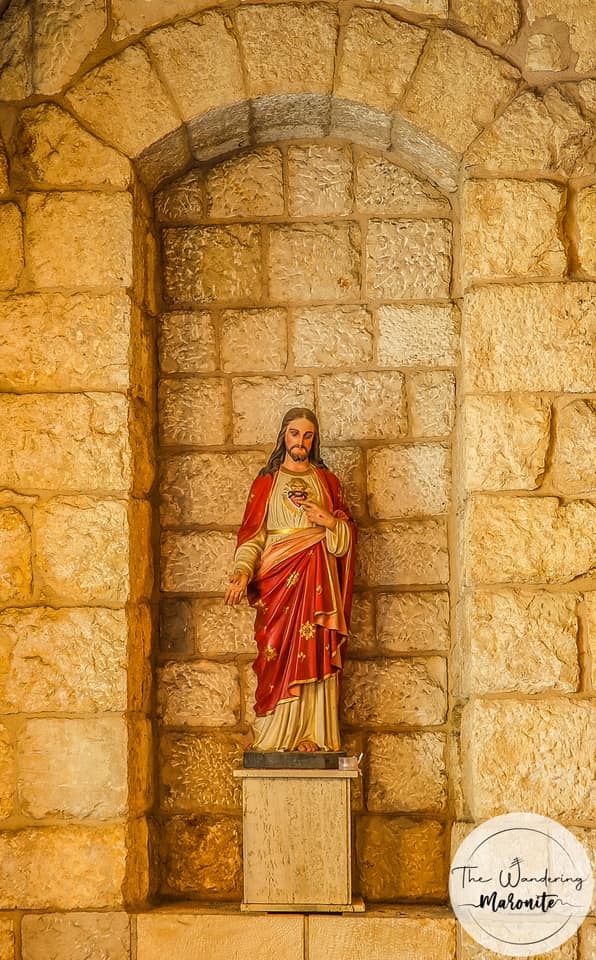
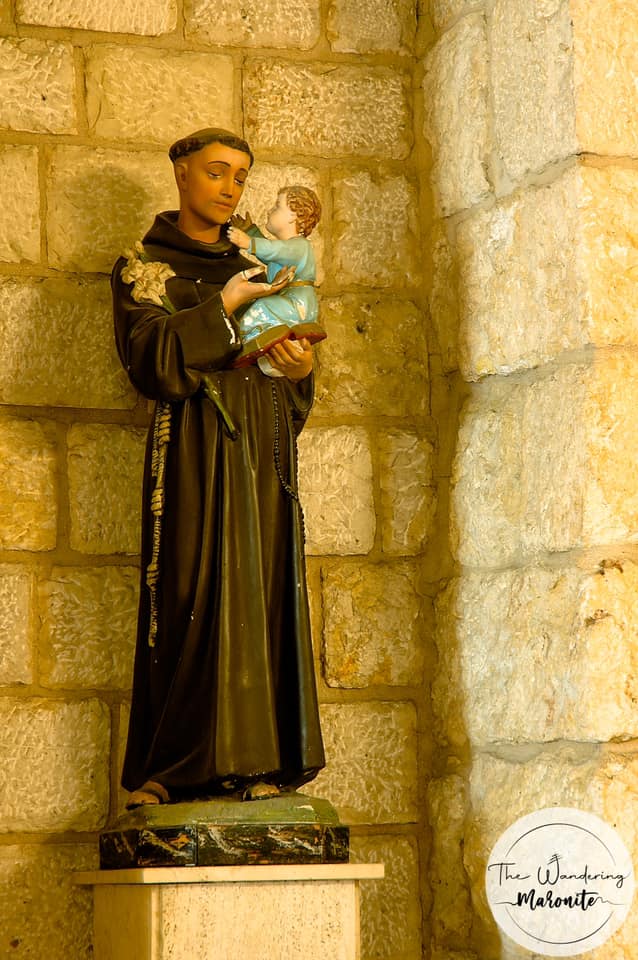
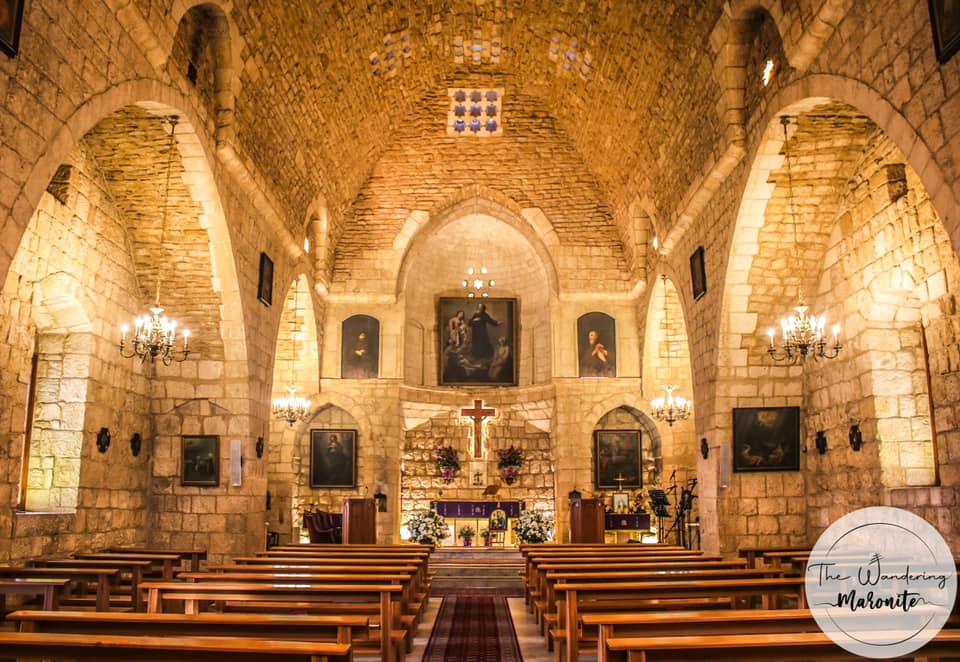
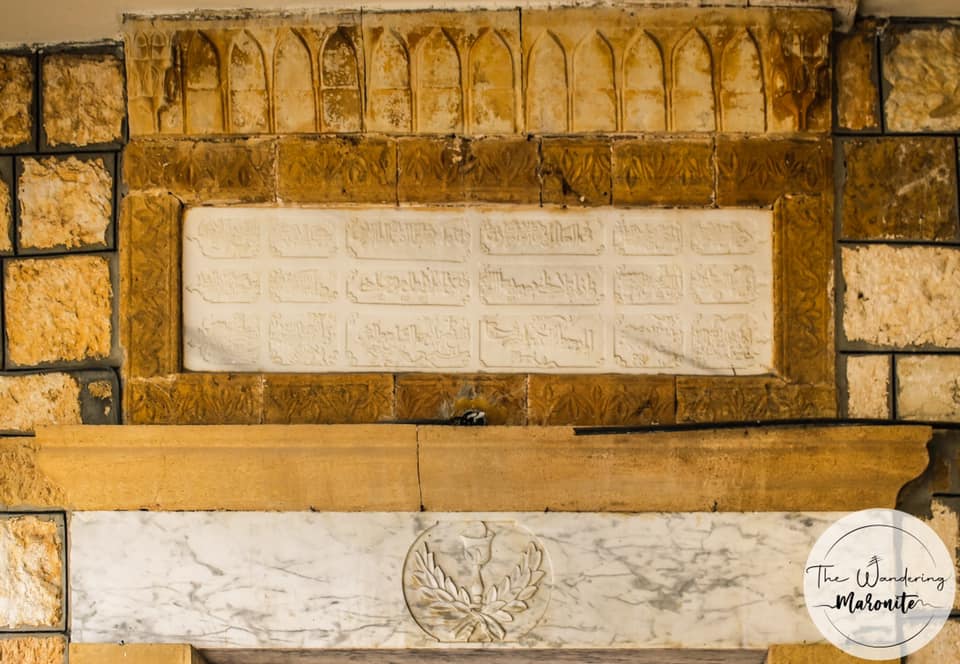
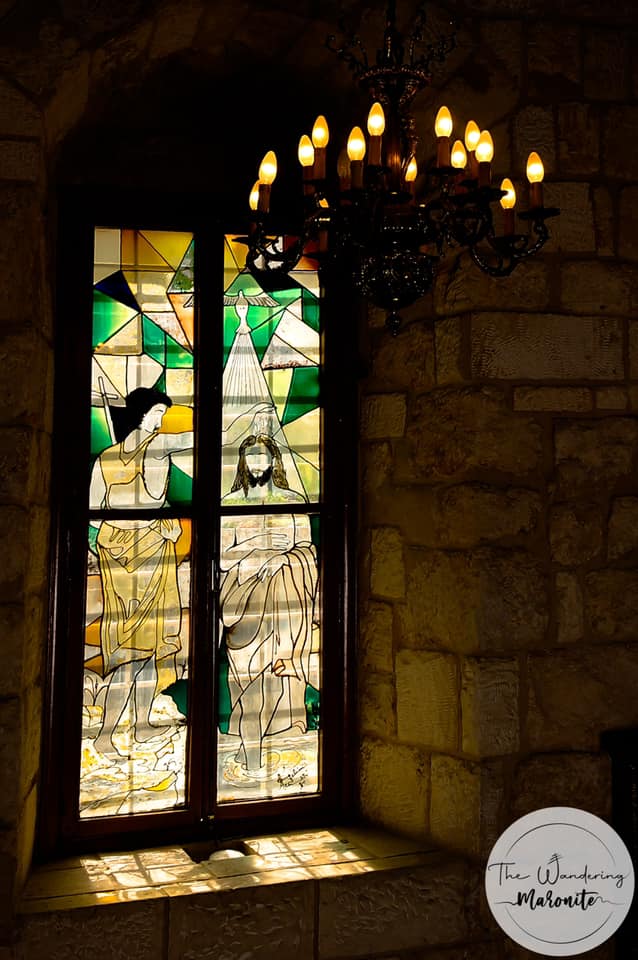
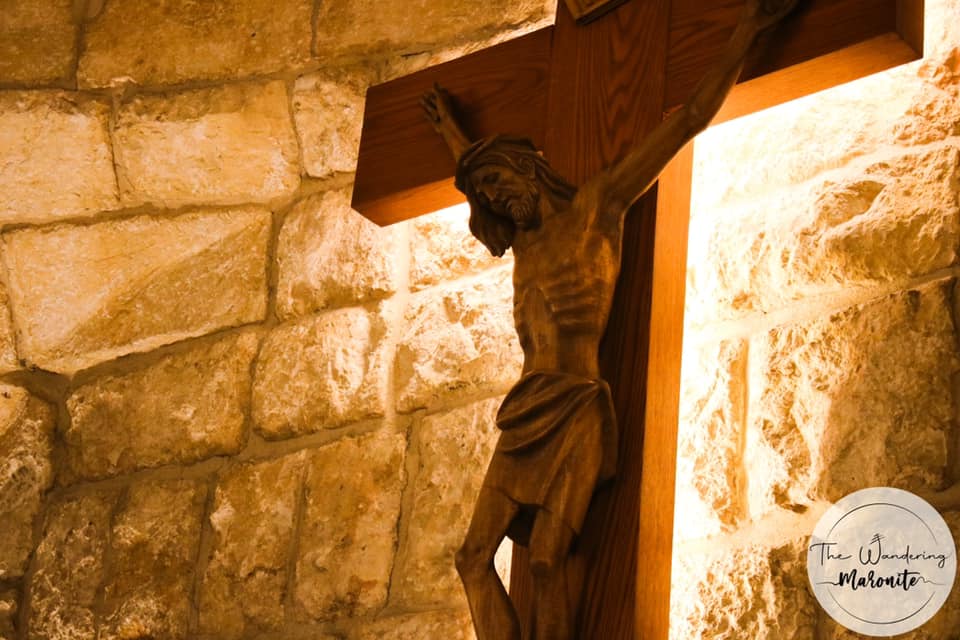
كنيسة مار ضومط - زوق مكايل بنى الكنيسة الشيخ موسى الخازن سنة ١٧٢٨ وكانت وقفيّةً لآل الخازن. الكنيسة عقد مزدوج فريد بزخرفته ومقرنصاته وفتحات الضوء في السقف. كانت الكنيسة لزمنٍ طويل مرتبطة بعائلة الخازن إلى أن قامت بين سنتيّ ١٩٠٢ و ١٩٠٤ عاميّة زوق مكايل. في ذلك الزمان هدّد الأهالي بتحوّلهم إلى المذهب الأنغليكانيّ، ولتحول البطريركيّة دون ذلك، حوّلت وقفيّة الكنيسة من عائلة الخازن إلى أهالي البلدة، وخصّ البطريرك الياس الحويّك الرعيّة بزيارةٍ حبريّة وبعددِ من الإنعامات. تضمّ الكنيسة العديد من اللوحات والتحف الكنسيّة القيّمة. رمّمت في ثمانينات القرن العشرين. The church of St Doumit - Zouk Mikael The church was built in 1728 by Sheikh Moussa el Khazen as a private church for the Khazen family. The structure is ornate with arabesque decoration and lucarnes in the vault, blending cribbed and crossed vaults. The church was a fiefdom of the Khazen family until the uprising of the peasants between 1902 and 1904. Back then the Maronite Patriarchy made the church a parish for the people to prevent them from turning to anglicanism. Also the Patriarch Elias Howayek made a pontifical visit to the parish and gave the parish many indulgences. The church holds a lot goldsmith artifacts and paintings. The building was renovated in the eighties of the XXth century.

Visited 5124 times, 7 Visits today

Reviews are disabled, but trackbacks and pingbacks are open.

Related Listings

Zahle – The Church of St. Rafqa

Saint Rafka, Zahlé, Lebanon

كنيسة القديسة رفقا

Zahlé Saydet En-Najat

Zahle

Bekaa

كنيسة القديسة رفقا - زحلة

في أواخر القرن التاسع عشر، بدأت الإرسالية الأميركية الإنجيلية مهمّتها في مدينة زحلة. قامت هذه البعثة ببناء كنيسة بتصميم يشبه بيوت المدينة في تلك الحقبة الزمنية. في بداية القرن الحادي والعشرين، بعدما بدأ عدد المؤمنين بالانخفاض، تم شراء الكنيسة من قبل دير مار أنطونيوس الكبير التابع للرهبنة اللبنانية المارونية، وتحويلها إلى كنيسة مخصصة للقديسة رفقا.

The Church of St. Rafqa - Zahle

In the last decades of the 19th century, an American evangelical mission was established in Zahle. This mission built a church in the local architectural style of houses during that time. In the beginning of the 21st century, after the number of evangelicals began to dwindle, the church was bought by the Monastery of St. Anthony the Great of the Lebanese Maronite Order, who converted it into a chapel dedicated to St. Rafqa. Iglesia de Santa Rafka - Zahle En las últimas décadas del siglo XIX se estableció en Zahle una misión evangélica estadounidense. Esta misión construyó una iglesia según el estilo arquitectónico local de las casas de la época. A principios del siglo XXI, después de que el número de evangélicos empezara a disminuir, la iglesia fue comprada por el Monasterio de San Antonio el Grande de la Orden Libanesa Maronita, que la convirtió en una capilla dedicada a San Rafka.

Smar Jbeil – Fortress (Citadel)

Smar Jbeil Citadel, Smar Jbeil, Lebanon

قلعة سمار جبيل

Smar Jbayl

Batroun

North

على تلة مشرفة في البلدة ترتفع قلعة عسكرية حصينة. وتعلو القلعة حوالى 500 متر عن سطح البحر ويعود تاريخ بنائها الى ملوك جبيل الفينيقيين الذين اشتهروا بالقصور والقلاع المنحوتة بالصخر، ثم سكنها ملك بابل “بختنصر”. وثمّة تماثيل رومانيّة بأوشحتها المعروفة تدلّ على أنّ الرومان احتلوها وبنوا فيها هيكلًا بأعمدة ضخمة بقاياها مشتتة في نواح عدة من سمار جبيل، وفي الحائط الجنوبي لكنيستها الأثرية. وقد بنى فيها الرومان أيضًا مسرحًا يدعى الراميّة، وهو مفروش بالإسمنت القديم، كما بنوا معاصر موجودة في الجنوب الغربي من القلعة. في القلعة خندق منحوت في الصخر يُملأ بالمياه لمنع دخول الغزاة، وبرج مراقبة وطاقات لفوانيس.
في التقليد القديم يُروى ان مار لوجيوس وهو شفيع العيون والمعروف لدى السريان بمار نوهرا، قصد بلاد البترون للتبشير، ونال اكليل الشهادة بقطع الرأس ورميه في أحد آبار هذه القلعة بالذات. هذا البئر مازال مقصودًا الى اليوم للتبرك بمائه العجائبي الشافي لأمراض العيون.
كذلك يذكر تقليد آخر ان مار يوحنا مارون قصد القلعـة، يوم تعيينه أسقـفًا على البترون سنة 676، واختارهـا حصـناً له بعـد خراب دير مـار مارون في سوريا. ولمّا أصبـح بطريركـًا سنة 685 نُقل مقـرّه الى كفرحي وبنى فيها ديرًا.
بعد سقوط الامبراطورية البيزنطية، تعاقب على القلعة العرب والصليبيون، وأتى بعدهم المماليك ثم العثمانيون. الحكام اللبنانيون قديماً كان لهم نصيب في هذه القلعة، حيث سكنها الشيخ أبو نادر الخازن الذي ولّاه الأمير فخر الدين على مقدّمي البلاد.

Built by the phonecian kings of Byblos on a hill overlooking the coastline, the castle was used by the Babylonian king Baktensar. Later on in the classical period, the romans built a temple inside of it with a large atrium, nowadays the columns of the atrium are scatered all around the village and in the walls of the historical church. The romans also built a theater, and a winery in the western side of the castle. A watch tower and a protective water trench were added in the late classical period for protection.
According to tradition St Logius the patron saint of eye illness, also known as Nohra in the Syriac world, preached in the lands of Batroun. He was sentenced to death during the Diocletian persecution by beheading in the castle patio. His head was thrown in a well nearby, still visited for its miraculous eye healing waters.
According to another tradition, the first Maronite patriarch St John Maroun, and when he became bishop of Batroun in 676, resided in the castle after the devastation of the monastery of St Maroun on the Orontes in Syria. After he was elected patriarch in 685 he moved again to Kfarhay where he built a new monastery.
After the fall of the Byzantine empire the castle was occupied by the Arabs, the Crusarders, the Mamluks and the Ottomans. During the reign of prine Fakhredyn the Second, the first Christian regent of the land Aby Nader Al khazin took hold of the castle and made it his headquarter.